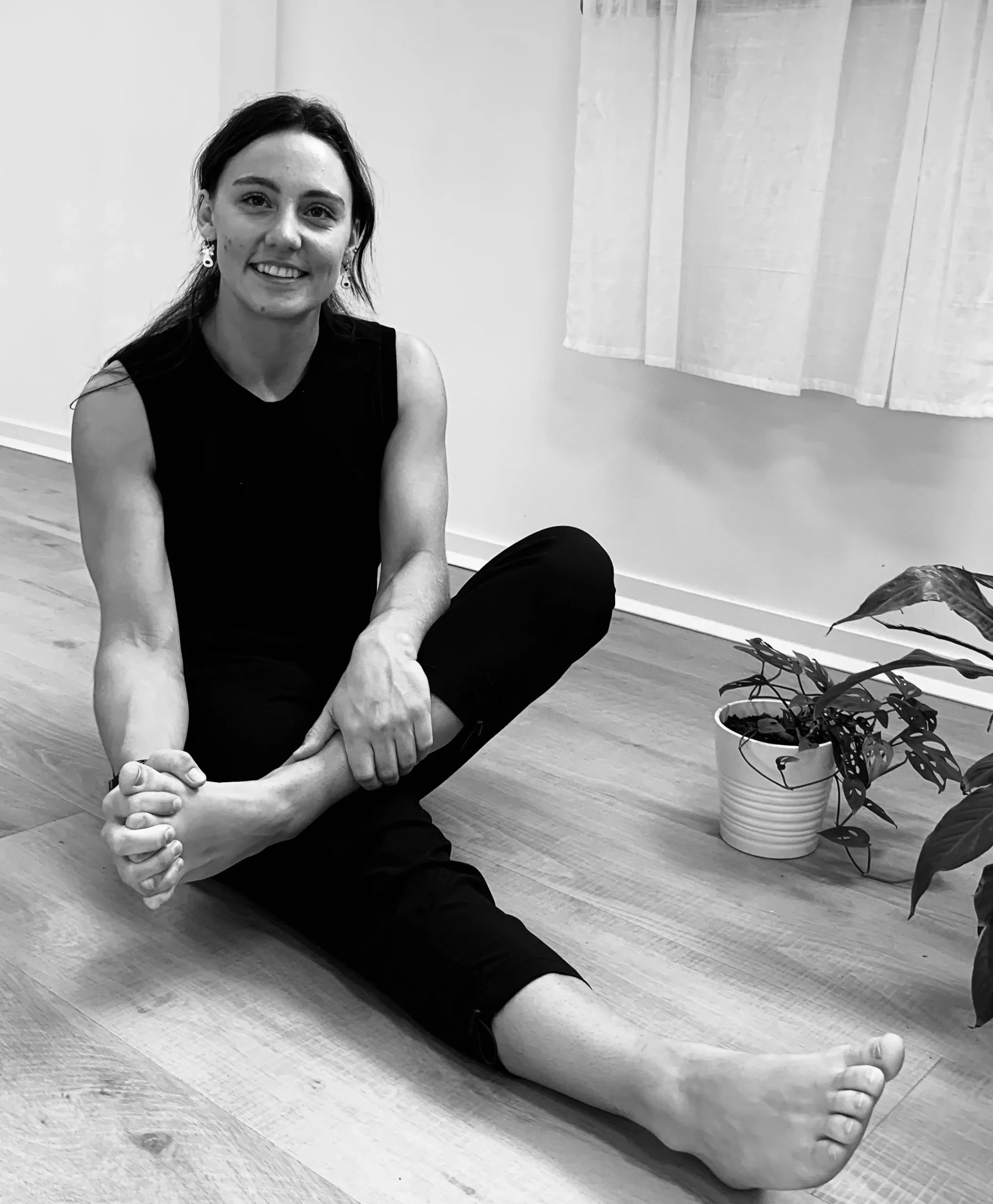
“My feet are killing me”… no your shoes are!
Have you ever looked at your grandmas feet and thought “how on earth did your toes end up looking like twisties?”. Sorry Gran, I have… Bunions, clawed toes and toes that cross over each other and twist under themselves are very common and are more common the older you get. Why? Because of our shoes.
“But my grandma and mum have bunions so they must be genetic”.
Nope, they just wore the same shoes everyone else does, maybe even worse thanks to sneakers becoming more fashionable in recent years.
“It must just happen with age”.
Still no, most things that ‘just happen with age’ are actually due to one of two things. Either prolonged exposure to external input (in this case, shoes), or decreased movement, mobility and strength training- “use it or lose it” applies here.
What shoes am I talking about?
Shoes that we refer to as conventional shoes. They are shoes that most people wear, designed to be fashionable and “supportive”. They range from brand-name sneakers to high heels to thongs (flip-flops) and everything in between. Natural footwear refers to shoes that have been designed by brands that consider the natural function of our feet, brands that are becoming more abundant than ever.
Common Features of Conventional Shoes
- Narrow Toe Boxes: Force toes to squeeze together, often leading to bunions and hammertoes and negatively impacts the function of our big toe which is super important for balance, running (windlass mechanism) and walking.
- Heel Elevation: Even small heels alter our natural posture and gait pattern (almost all conventional shoes have a heel drop including sneakers and some sandals).
- Arch Support: While marketed as beneficial, excessive support can weaken foot muscles. Think of it as the muscles going on holiday, because they’re no longer needed, due to the shoe doing the work for them.
- Rigid Soles: Prevent natural foot flexion and sensory feedback from the ground. We have 33 joints in our feet and conventional shoes prevent the normal functioning of a lot of them.
The Impact Goes Beyond Your Feet
When we compromise our foot function with conventional shoes, we create a chain reaction that affects:
- Ankle mobility and stability
- Knee alignment and function
- Hip mechanics and strength
- Lower back posture and health
- Can even impact your neck and jaw function and tension
Benefits of Natural Footwear
Natural footwear is designed to allow your feet to function normally, featuring:
- Foot-shaped toe boxes that allow toes to spread naturally and your big toe to be in its normal alignment (rather than bending towards your little toes).
- Zero drop (flat) soles, no heel means normal postural alignment and therefore no excessive strain on muscle groups such as your calves.
- Flexible materials that allow natural foot movement, allowing all 33 joints to move as they want to, including that all important big toe flexion.
- Minimal cushioning to promote proper sensory feedback, allowing your foot to feel the ground strengthening your neuroconductivity and proprioception.
- A strap around your heel so that your shoe is fixed to your foot and you don’t have to hold your shoes on (like thongs/ sandals without a strap at the back).
Making the Transition
Sometimes switching to natural footwear requires a gradual approach, the longer you have been in conventional footwear, and the more extreme that footwear was, the longer it will likely take to transition. The transition process allows your feet to get used to their new normal.
To transition (time based):
- Start with short periods of being barefoot (if you are never barefoot, even at home)- 30 min at a time.
- If you already walk around at home barefoot then you might consider starting with a full day in barefoot shoes instead.
- Gradually increase wearing time as your feet adapt.
- Incorporate foot strengthening exercises into your routine (lots of examples, ideas and training programs through The Foot Collective (TFC)).
- Listen to your body and progress at your own pace. If you’re not sure where you’re at then seek guidance either from myself or another TFC Pro – we are all around the world, you can find a practitioner on the TFC website.
The other method of transitioning is by changing your footwear to an in between shoe- something like an Altra. Altras are a great option if you don’t want to go straight to a no sole, zero drop shoe or if you’re looking for a wide toe-box running shoe.
Conclusion
Our feet are masterpieces of engineering, designed to support and move us through life. By choosing footwear that respects their natural function, we can prevent many common foot problems and maintain better overall body mechanics. It’s never too late to start giving your feet the freedom they deserve.
Remember: your feet don’t need “support” – they need freedom to move and strengthen naturally. Make the switch to natural footwear, and your future self (and feet!) will thank you.
Footwear recommendations:
Sole mechanics – use the code CODIEMYO to get 15% off
The Foot Collective list (discount codes included on website)
The Foot Collective Tools – use the code TFCHUBCD for 15% off