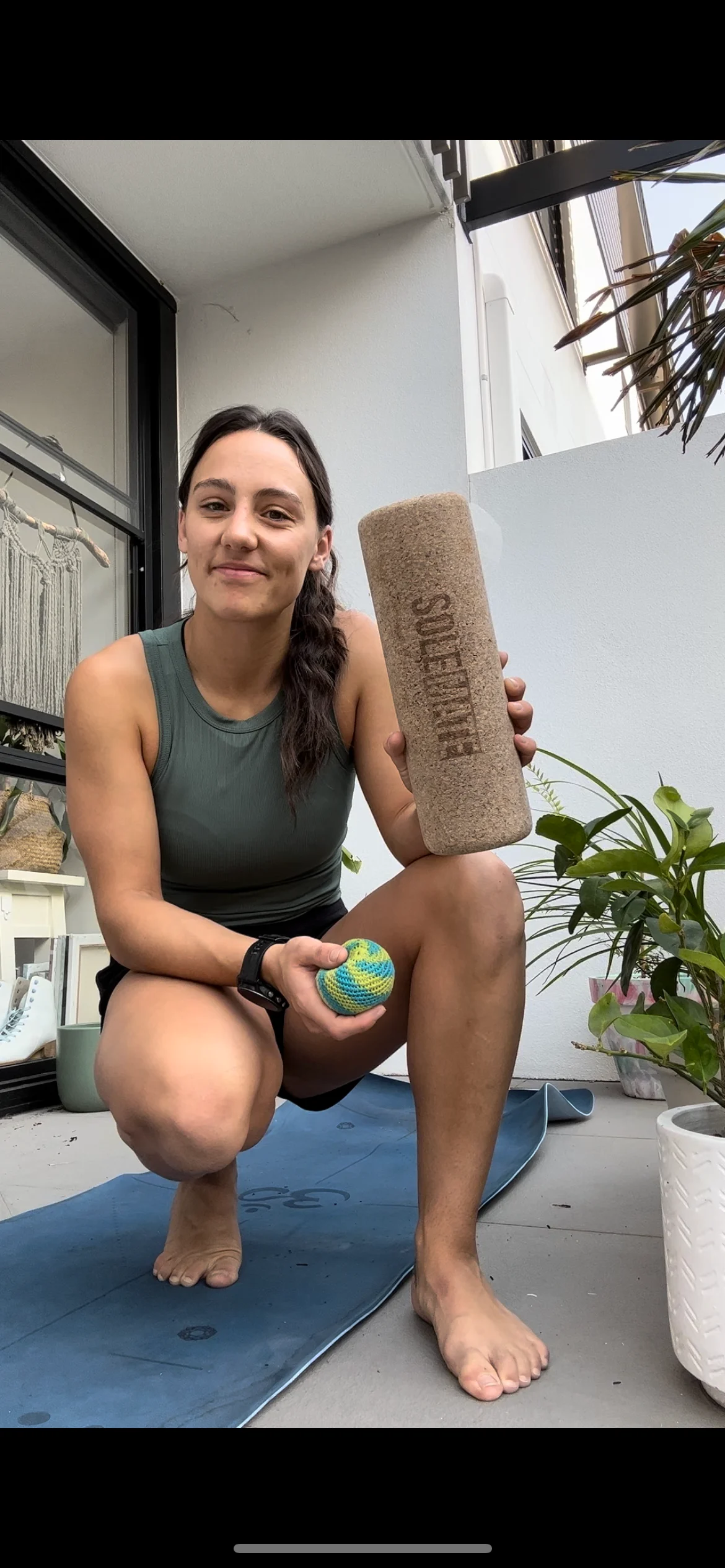
I spent 3 days in Sydney at the Pilates Association Australia (PAA) Pilates Conference 2025, here’s what I took away from it.
Why Pilates Instructors Instinctively “Get” Foot Function
September 2025 at a Pilates conference in Sydney, I shared a presentation on feet and balance on behalf of The Foot Collective. What stood out most wasn’t just the interest in foot health — it was how naturally Pilates instructors connected the dots. The principles that underpin Pilates are the very same ones that drive healthy foot function and resilient balance. The more we talked, moved, and experimented, the clearer it became: these practices don’t just fit together, they belong together.
Why start with the feet?
Our feet are our first point of contact with the ground, our foundation. They’re sensory organs, load distributors, and dynamic springs that influence everything upstream. When foot function is restored, it not only makes balance easier, it positively impacts our whole system.
For Pilates practitioners, this is familiar territory. You already think in chains, not parts. You already value precision, control, and the relationship between breath, alignment, and force transfer. In that sense, foot health isn’t a new add-on; it’s a deeper application of what you already do so well.
Pilates: a great gateway to barefoot freedom
There are already lots of similarities between pilates and barefoot practices.
- Barefoot is already the norm: Pilates is one of the few movement practices where working barefoot is already accepted and even encouraged. (PS: If you use grip socks, consider upgrading to toe grip socks that allow your toes to spread naturally while still providing traction!)
- Built-in variable surfaces: Pilates already incorporates variable surfaces that challenge and develop foot adaptability – from the reformer footbar and jumpboard to props like the chi ball, oove, and balance equipment. These create natural opportunities for foot adaptation, variable balance challenges and sensory input.
- Intrinsic foot muscle focus: Both practices emphasise the small, often-neglected muscles. Pilates targets the deep, stabilising muscles, while foot work activates the often dormant intrinsic foot muscles.
- Balance: already incorporated, in some way, into most pilates practices and huge part of foot function restoration and foot freedom.
- The flow state: proprioception and attention. Both pilates and balance benefit greatly from having a flow aspect within the practice. A flow state is a state of focus and awareness. Placing awareness in the feet sharpens balance, improves reaction time, and refines the quality of movement everywhere else.
The bigger picture: balance as a life skill
Pilates instructors often have clients with the goal to improve quality of life and maintain functional movement. Balance is a fundamental component of functional movement and increasing the ease of activities of daily living. Balance isn’t just a test, it’s a fundamental, full body, coordinated skill. Together, foot function exercises, balance practices and pilates make people more adaptable and resilient in the real world.
Closing thoughts
Foot function and balance exercises can be easily incorporated into pilates practices, not only to restore foot function and stability but to improve whole-body movements and to compliment other pilates movements.
If you’re a Pilates instructor, you already speak the language of balance, integration and resilience. Bring the feet into the conversation and watch the whole system work together.